Homemade Vanilla Sugar & Vanilla Salt (Great Gift Idea!)

Creative paleo and gluten-free recipes
By Becky 2 Comments


I’m on a really big soup kick right now. It’s so comforting to sit down with a bowl of soup on a chilly fall day, especially a soup that’s both kinds of hot: warm and a little spicy. The only problem with soup is that it sometimes takes a while to make. Not this one, though. You can have this soup on the table in less than 15 minutes! It’s a deliciously creamy, warmly spiced fall soup that has a depth of flavor not usually achieved in super fast recipes. If you have a well-stocked pantry, you can whip up this soup at a moment’s notice. It’s great for lunch when paired with a big salad, and would also make a great Thanksgiving starter!
I used homemade chicken stock made from a rotisserie chicken for this soup. It was my first time making chicken stock, and I’m so glad I took the time to do it! It made the whole house smell wonderful, and I felt like I was being really frugal. I froze some of the stock in an ice cube tray, so now I have a bag of homemade stock cubes to use to make sauces and other recipes. This recipe will also work with store-bought stock, though–the real flavor star here is the curry paste.
To make the soup vegan or vegetarian, just omit the fish sauce or use a splash of coconut aminos instead. The soup will still be nice and flavorful with just the curry paste, stock, and pumpkin. You can even omit the sunbutter or almond butter if you’re out, but it adds a nice richness to the soup.
Looking for paleo dessert recipes? Sign up for my email list to get a free e-book of my top 12 grain-free dessert recipes!

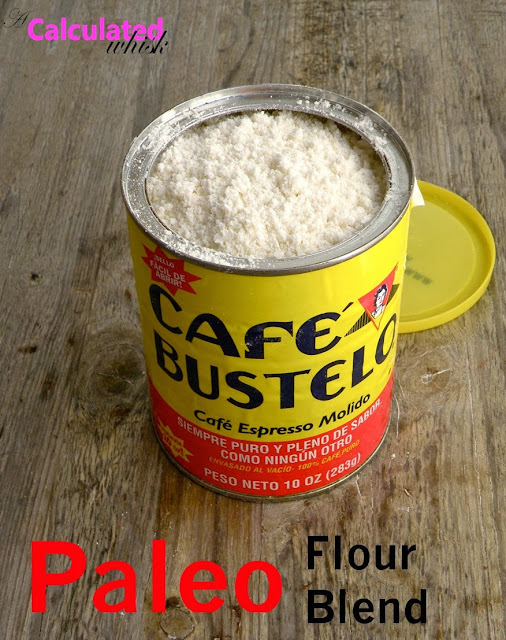
This easy-to-make paleo flour blend works beautifully as a cup-for-cup replacement for all-purpose flour in many dessert recipes!
Are you as addicted to baking as I am? Are you also, like me, trying to eat healthier food without spending all day and night in the kitchen? This paleo flour blend is for you. When you bake grain-free, you can make delicious treats without all the guilt and gluten.
When I stay gluten-free, I have more energy and fewer tummy problems. Even if you’re not technically gluten-intolerant, you may still feel better without it! I also bet your hips will thank you.
To save time in the kitchen, this flour blend creates a one-stop-shop for gluten-free baking: you measure once and get the benefits of three grain-free flours in precise balance with each other. If you haven’t tried baking without grains yet, whip up a batch of this flour blend! Then start experimenting, and see who you can fool. I bet you’ll be hearing, “I can’t believe this is gluten-free!” in no time.
I like to make my baked goods with a combination of almond flour, tapioca starch (also known as tapioca flour), and coconut flour. The almond flour lends flavor and richness, the tapioca starch adds lightness and helps with browning, and the coconut flour helps achieve a cake-like texture.
I’ve been experimenting with the best ratio for these three flours, and have settled upon 3:2:1–three parts almond flour, 2 parts tapioca starch, and 1 part coconut flour.
Once you have the right quantities, the next step is to sift the three flours together to make a blend, so that you only need to measure my flour once to make a recipe. You can of course make any amount of this flour blend by following the 3:2:1 ratio; the recipe below will make about four cups.

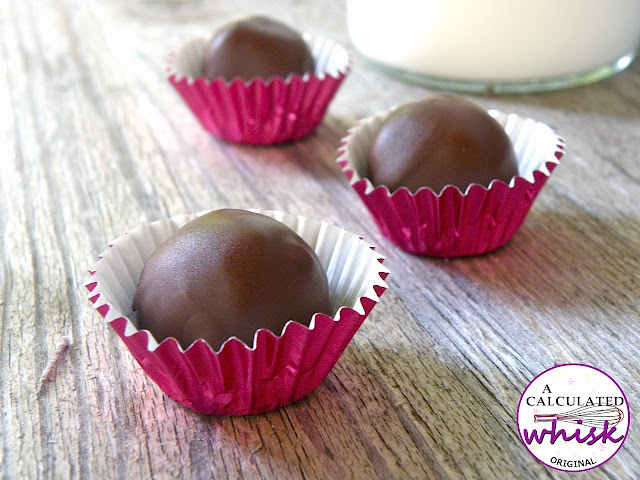
You can start by using this flour blend in these molten chocolate cakes (pictured above)–just use 6 tablespoons of the blend instead of the smaller quantities of each type of flour. Next you can use it in these Mexican brownies!

I’m experimenting with substituting this flour blend cup-for-cup for all-purpose flour in regular recipes, and will update this post to reflect which recipes I’ve had success with. I can’t guarantee that this will be an effective flour substitute in every case, but it’s a great place to start. If this blend works for you with a particular recipe, leave a comment with a link below so others can try it, too!
Update: I used this blend instead of all-purpose flour in this blondie recipe from Smitten Kitchen with great results! I also used coconut sugar instead of brown sugar, but other than that I followed the recipe exactly.
Note: I haven’t tested substitutions for this recipe, but some readers have, so try searching the comments if you have a question!
If you enjoyed this flour blend, come join me on Instagram to stay in the loop as I develop new recipes!
Read More…
By Becky 2 Comments

By Becky 64 Comments

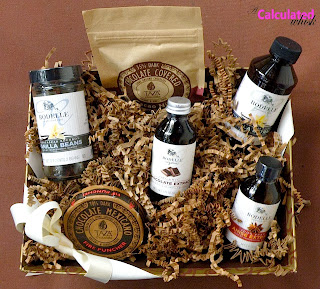
This mocha mexicano is full of warm spices, and packs a subtle punch thanks to a little cayenne pepper. It’s inspired by ingredients from Rodelle Vanilla and Taza‘s Fire Puncher chocolate.
This summer, my vegan & paleo strawberry ice cream was a runner-up in Rodelle Vanilla‘s Great American Ice Cream Contest, and the prize was a basket of Rodelle Baking Goodies. I asked the wonderful folks at Rodelle if they would include a few extra goodies for you all, and they said yes! I picked up a couple of other treats over at Taza Chocolate yesterday, and am beyond excited to bring you a vanilla and chocolate giveaway.
![]() |
| Prize basket |
One winner will receive a prize basket including:
By Becky 20 Comments

Did you know there was once a molasses flood in Boston? A five-story high molasses tank exploded on an unusually hot day in 1919 and surged through the North End, destroying a fire station and leaving a path of sticky destruction in its wake. Some say that when the weather is really warm, you can still smell the molasses on the city streets almost 100 years later.
I was fascinated by the molasses flood as a kid and did a report on it in elementary school. I think that was the last time I thought about molasses, though, because I almost never cook with it. But, while making a failed batch of pumpkin bread over the weekend, I ran out of honey and needed another sweetener. The molasses in the back of my cupboard seemed like just the thing, and it was (the pumpkin bread only failed because I asked Ben to watch it for me, and it ended up baking for almost three hours). Molasses has a spicy flavor that goes really well with pumpkin, and contributes to this ice cream’s rich orange color. I did a little research and there seems to be some debate as to whether molasses is truly paleo, but I’m sure that this ice cream would still be delicious if you added more honey instead, or even tried maple syrup.
By Becky 2 Comments

Yesterday I wanted brownies, but the thought of waiting for them to bake and then cool was disagreeable. I thought about making brownie batter truffles instead. Since there’s no egg in this recipe, you can taste as you’re making it and adjust the sweetness as desired. If you’re in a really big hurry, you can skip melting the chocolate and roll these in cocoa powder or shredded coconut. You can get your brownie fix on pretty fast.
By Becky 2 Comments

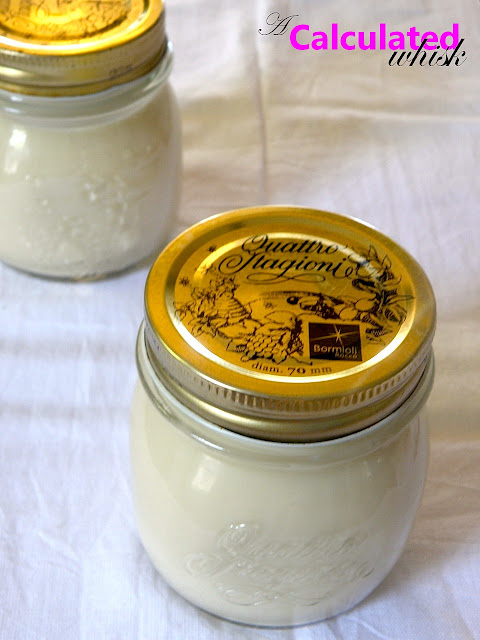
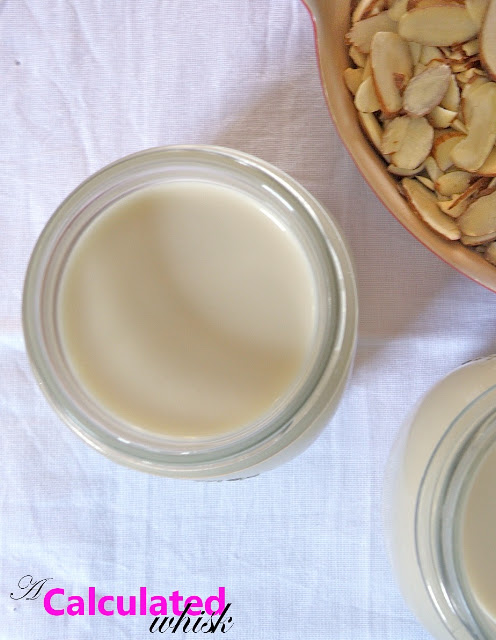
Here’s how to make your own almond milk at home. It’s paleo, vegan, and easy to make–and the results are way more delicious than store-bought versions!
Do you drink coffee? How do you take yours? Have you ever had to switch the way you make your morning coffee?
One of the hardest parts about the whole30 for me has been adjusting what I put in my coffee. I used to put lots of 2% milk and a little agave or stevia, plus sometimes a few drops of vanilla. It wasn’t that hard eliminating the sweetener, because I love the simple synergy of milk and coffee. Since I also love coconut milk, I thought that might be a great choice for my morning cup. But coconut milk is terrible in coffee. It’s too thick. Even light coconut milk in a carton is too thick (and has icky things like carageenan added to it). Coffee shouldn’t be viscous, so coconut milk is out.

The next thing I tried was almond milk. It’s hard to find unsweetened almond milk without too many additives, but the Whole Foods brand wasn’t too bad. And when I put that almond milk in my coffee, it was fine. I had to put a lot more almond milk than regular milk, because you can pour in a lot of almond milk before your coffee stops looking (and tasting) totally black. Anyway, coffee with store-bought almond milk is okay, but I figured I could do better.
This homemade almond milk is easy, and you can add a little whole30-friendly sweetness by putting in a few dried apricots (or dates). The ingredients list is short and wholesome, and the result is much more delicious than what you find at the store. Creamy and subtly sweet, this homemade almond milk is by far the best nondairy milk I’ve found to go with my morning coffee. Of course, it’s also great on its own or blended into smoothies.
This recipe makes lightly sweetened vanilla almond milk; just omit the vanilla and dried fruit if you would like to make plain almond milk.

Ingredients (makes about 2 and 1/2 cups; adapted from Choosing Raw):
1 cup raw almonds
Water for soaking
3 cups water
Pinch of salt
2-4 dried apricots or dates, pitted and soaked in hot water (optional)
1 teaspoon vanilla extract (optional, omit for Whole30)
Equipment:
Cheesecloth or a nut milk bag
Soak the almonds in water to cover for at least two hours, or up to eight. Drain and rinse the almonds and discard the soaking water. Place the almonds, 3 cups of water, salt, apricots or dates, and vanilla in a blender. Blend on high speed for a minute or so until smooth.
Line a sieve with cheesecloth and place over a large bowl, or place a nut milk bag over a large jar, securing it with a rubber band. Pour the almond milk into the sieve or nut milk bag. Allow it to drain for up to an hour (or if you are impatient like me, squeeze the cheesecloth or bag to remove as much liquid as possible). Discard pulp, or save to use in smoothies. Store almond milk in the refrigerator for 2-3 days, and shake before using.

This post contains affiliate links. If you make a purchase on Amazon after clicking one of my links, I receive a small commission (the price you pay is not affected). Thank you so much for supporting my site!

I am SO excited about this post. This ice cream is ridiculously good, ridiculously healthy, and ridiculously simple, and I have made it three times since I invented it two days ago. There are five ingredients, and you don’t need an ice cream maker. There are also NO sweeteners. This is the stuff dreams are made of. Well, my kind-of cheating whole30 dreams, at least.
By Becky 2 Comments

Okay guys, so technically when you go paleo, you are supposed to be really hard core for 30 days. You are not just supposed to jump into making a million and one paleo desserts. You are not supposed to have any desserts at all for that first month. But, BUT…I just had to make one last dessert. It’s what I do. And it’s really good. You’ll understand when you taste it!
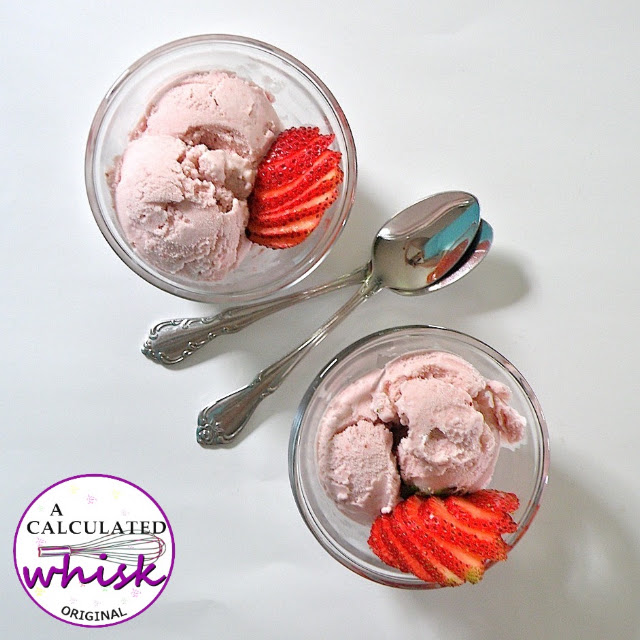
This ice cream is made with coconut milk and sweetened with honey (or maple syrup or agave for a vegan version). The strawberry syrup has a little balsamic vinegar in it, just to deepen the flavor. Don’t worry, you won’t taste it. You can hardly even taste the honey and coconut–this is mainly just strawberries and cream flavored. It’s fabulous, and there’s nothing bad or unnatural in it.

Ingredients (makes about a quart):
For the strawberry syrup:
2 cups fresh strawberries
1 tablespoon honey, agave, or maple syrup
3 tablespoons water
1 scant tablespoon balsamic vinegar
Pinch of salt
For the ice cream base:
1 (14 ounce) can coconut milk
1 (14 ounce) can light coconut milk
1/2 cup honey, agave, or maple syrup (or to taste)
1 teaspoon vanilla
To make the strawberry syrup, hull and halve the strawberries. Place them in a saucepan over medium heat with the remaining ingredients and cook, stirring often, until the strawberries have softened and are starting to break up (about 10 minutes). Cool slightly, then transfer to a food processor. Blend until smooth, and strain through a fine mesh sieve to remove the seeds, pressing on the pulp to extract as much liquid as possible. Discard pulp and refrigerate syrup until cold.
To make the ice cream, whisk together all the ice cream base ingredients in a large bowl until smooth. Whisk in the cold strawberry syrup, taste, and adjust the sweetness as desired. Refrigerate until chilled, and freeze according to your ice cream maker’s instructions. Store in an airtight container in the freezer for at least 3 hours before serving.

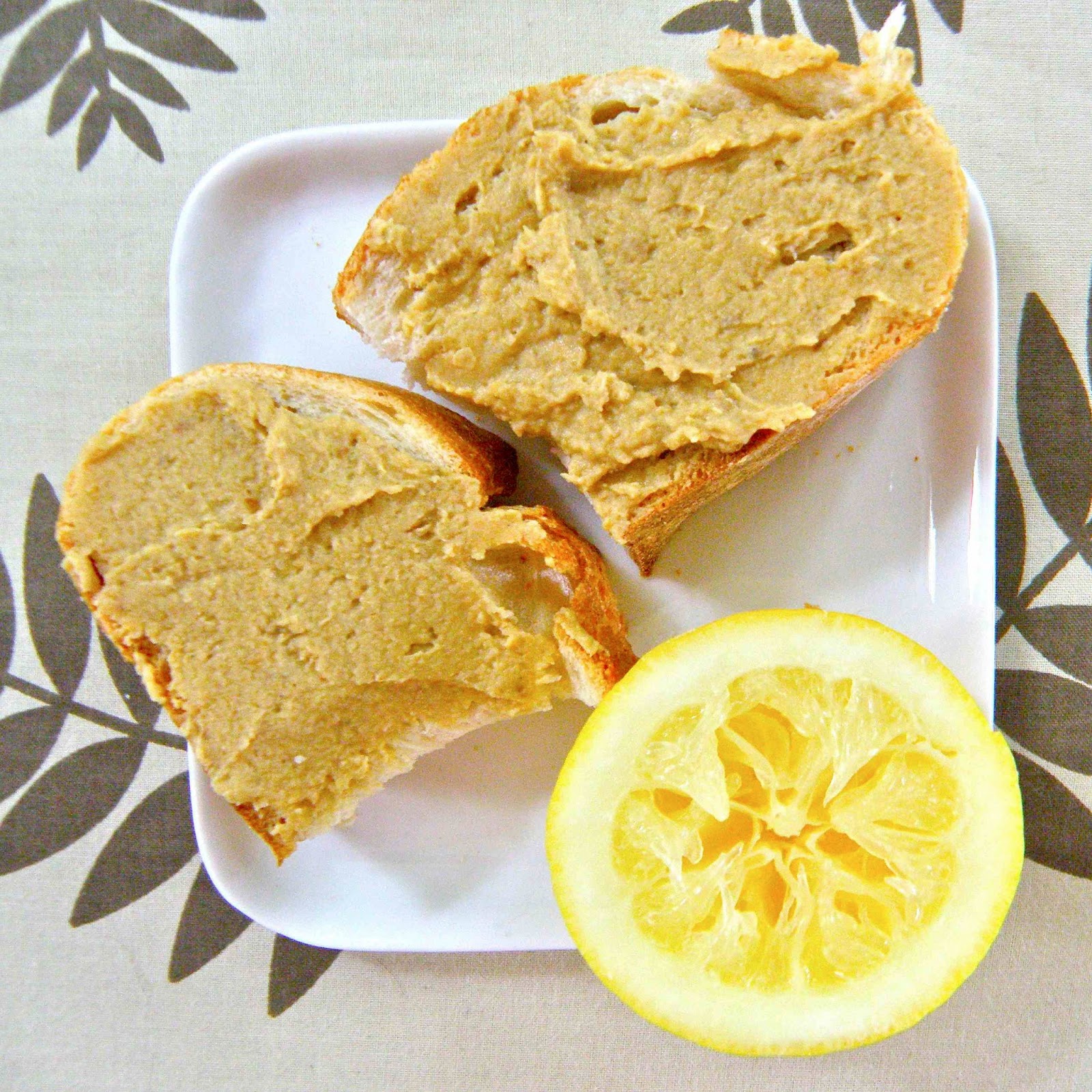
In my last post, I shared a recipe for gambas al ajillo inspired by my meal at Solea. The other thing I was dying to try at home was Solea’s chickpea spread, which they bring at the beginning of the meal with a basket of crusty bread. It’s really delicious! I could tell it had chickpeas in it (plus, it was adorably garnished with one whole chickpea), but I couldn’t tell what made it so much richer, and so different from, hummus.
Luckily, our waiter didn’t mind telling us the other key ingredient–porcini mushrooms! I had never cooked with them before, and they smelled really funky before they were reconstituted. But, it was worth it. I was rewarded with this hearty dip, which I think is just as good as what I had at Solea.
Ingredients (makes about 1 1/2 cups):
1 15 ounce can of chickpeas, rinsed and drained
Juice of half a lemon, or to taste
Salt to taste
1/2 cup plus 1 teaspoon olive oil, plus more for serving
1/4 ounce dried porcini mushrooms
Paprika for serving, optional
Place the porcini mushrooms in a small bowl, and pour in very hot water to cover. Let sit for 30 minutes. Drain, reserving the soaking water, rinse, and pat dry.
Heat 1 teaspoon of olive oil in a small skillet over medium heat, and saute the mushrooms for about five minutes.
In a food processor, combine the chickpeas, lemon juice, salt, and mushrooms. Turn the processor on and add the half cup of olive oil in a steady stream (you can use less oil and more mushroom water if you’d like). If the spread seems too dry, add the mushroom soaking water a tablespoon at a time and process until smooth.
Taste for seasonings and adjust if needed. Drizzle with olive oil and sprinkle with paprika, if desired. Serve with crusty bread or vegetables for dipping.
(function() {
var li = document.createElement(‘script’); li.type = ‘text/javascript’; li.async = true;
li.src = (‘https:’ == document.location.protocol ? ‘https:’ : ‘http:’) + ‘//platform.stumbleupon.com/1/widgets.js’;
var s = document.getElementsByTagName(‘script’)[0]; s.parentNode.insertBefore(li, s);
})();
By Becky 7 Comments
Ingredients for the fritters:
1 1/2 cups leftover lentils (from above recipe, or any well-cooked red lentils)
1 cups frozen corn kernels (no need to defrost)
3 scallions, sliced
3 tablespoons chopped cilantro
1 cup masarepa
Sea salt
1 cup hot water
Canola oil or olive oil for cooking
Lime wedges for serving
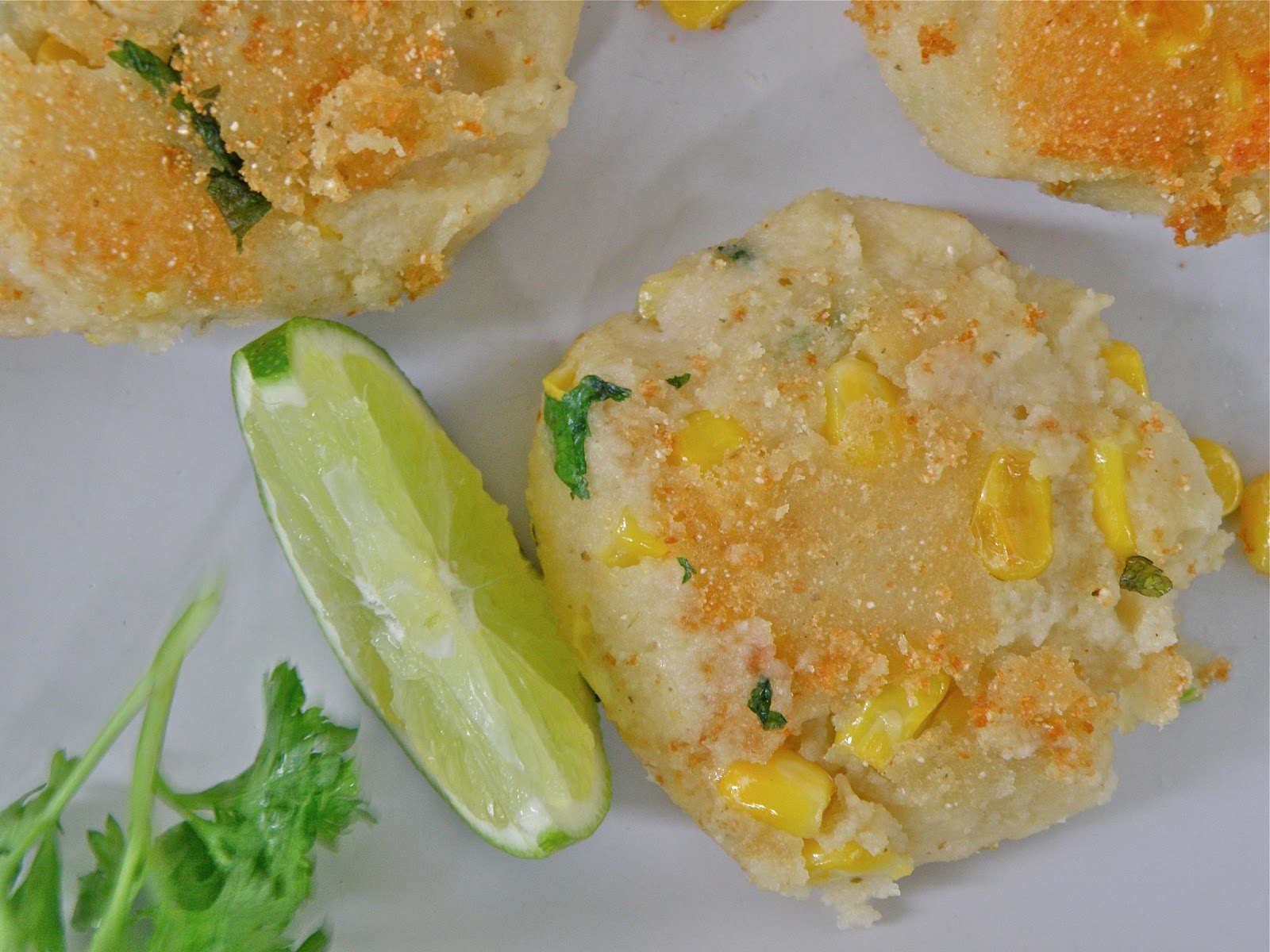
In a large bowl, mix the leftover lentils, corn, scallions, cilantro, masarepa, and a pinch or two of salt. Add the hot water and stir to combine. Let sit for five minutes.
Meanwhile, heat about 1/8 inch of oil in a heavy skillet over medium-high heat. When the oil is hot enough, a droplet of water should bounce and skitter across the skillet.
Using your hands, make balls of dough a little larger than golf balls and flatten them slightly to form patties. Fry until golden brown on both sides, about 3 minutes per side. Be gentle when you flip them–you’ll lose a few pieces of corn, but that’s okay.
Drain on paper towels. Serve hot, with sea salt sprinkled on top and lime wedges for squeezing over.
Extra uncooked fritter mixture can be kept for up to three days in the refrigerator.
This post contains affiliate links. If you make a purchase on Amazon after clicking one of my links, I receive a small commission (the price you pay is not affected). Thank you so much for supporting my site!
All text and photographs (c) Rebecca Winkler 2013-2020 unless otherwise noted.